Back to blog
Money·6 min read·June 18, 2026
Wealthy vs Unwealthy | Years of Doing
Written byAaron Duchane
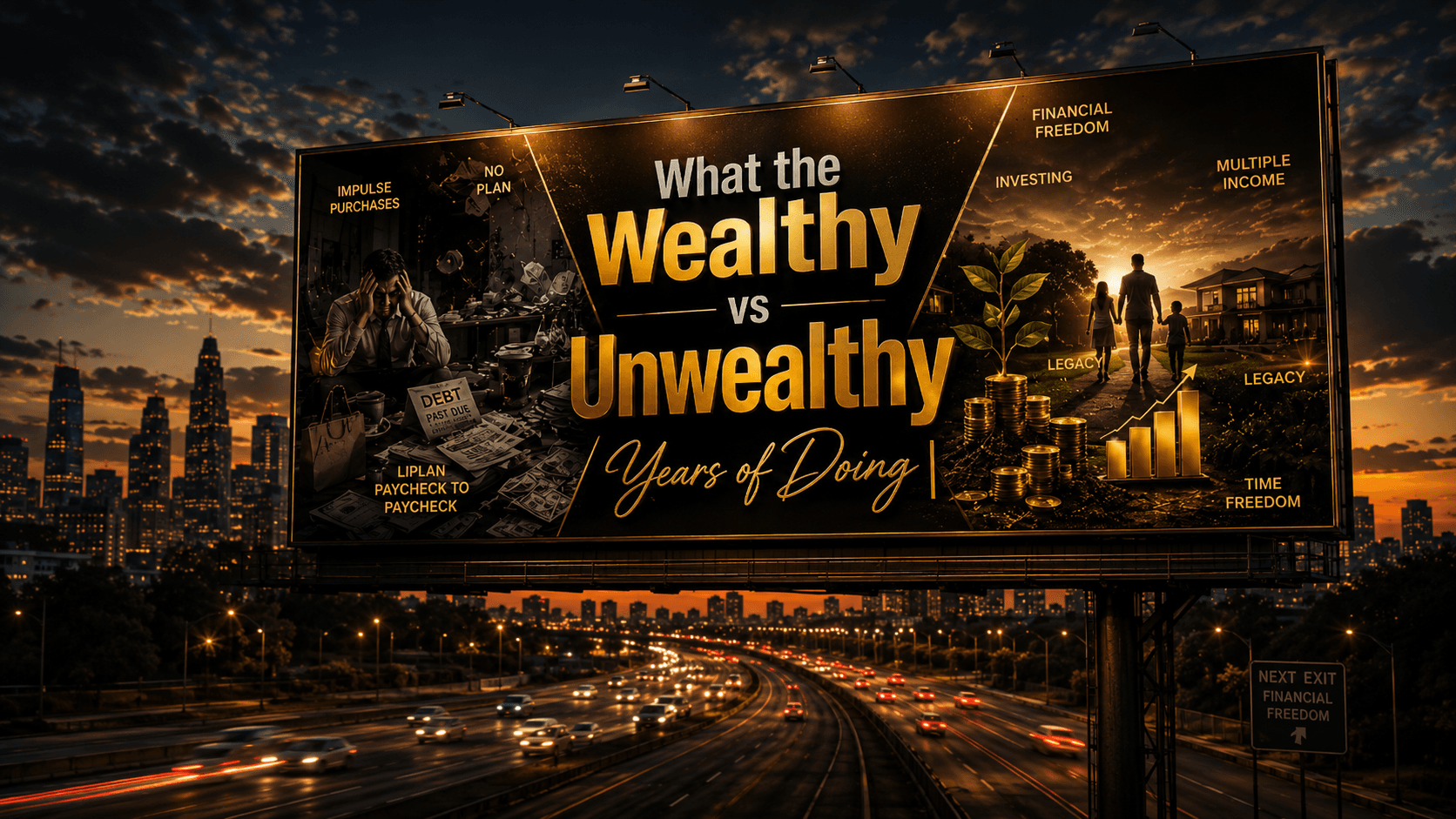
For years, the difference between the wealthy and the unwealthy hasn’t been a secret formula or a stroke of luck. It has been a series of consistent, often quiet, actions. While many focus on the end result—the account balance or the assets—the true divide is found in the "Years of Doing."
1. Compound Interest vs. Instant Gratification
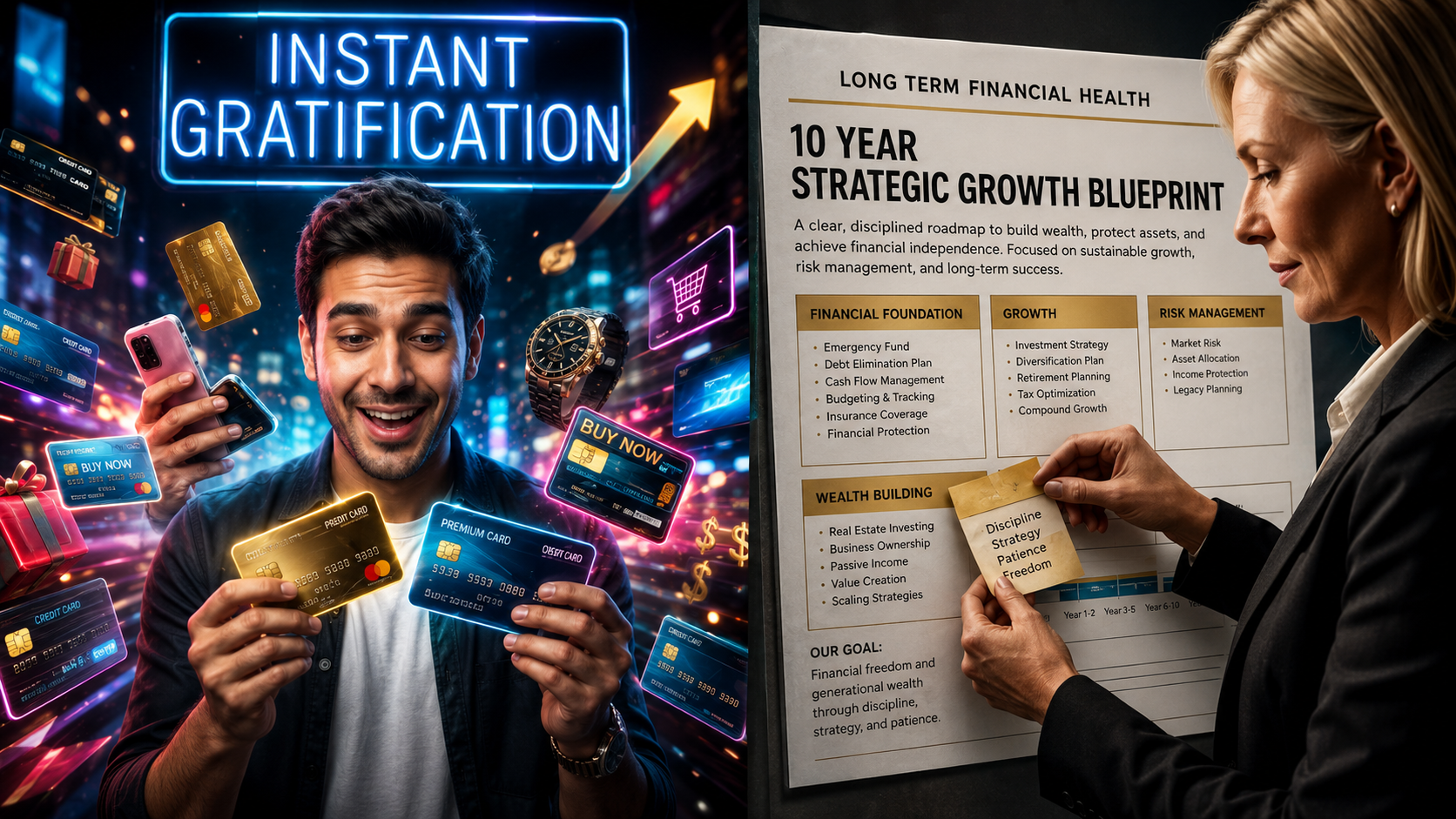
The wealthy understand that time is the greatest multiplier. They have spent years allowing their capital to work for them through compounding, often making sacrifices early on to ensure security later. The unwealthy, conversely, have often spent years prioritizing immediate comfort, which keeps them locked in a cycle of trading time for money without the benefit of exponential growth. Let's face it. It's the hard truth. Many wealthy know 90% of unwealthy citizens will not take their advice even if they told them exactly what they do. Even in our industry we still see that behavior.
 2. Assets vs. Liabilities
True wealth is built by acquiring assets—things that put money in your pocket while you sleep. The wealthy focus their energy on building systems, investing in businesses, and securing insurance products that provide legacy and protection (putting their money to work). The unwealthy often spend their years accumulating liabilities—things that take money out of their pockets—focused on the appearance of success rather than the foundation of it. The Cars, the Jewelry etc. Immediate gratification. Most people really don't know the difference between an asset and a liability. I think we will cover that in another blog.
3. The Gold Standard: Generational Teaching
The most profound difference lies in the classroom of the home. The wealthy treat financial literacy as the "Gold Standard" of parenting. They don’t just accumulate wealth; they teach their children the habits of wealth. They instill an understanding of investment, stewardship, and delayed gratification from a young age, ensuring that the legacy of growth continues long after they are gone. They aren't just leaving money; they are leaving a blueprint. Conversely, the unwealthy teach their children "it's not about the money." "Money doesn't buy happiness". Though the latter statement can be true. The very conversation of this caliber leads to "No Conversation" about money except when times get hard and the conversation of lack surfaces.
2. Assets vs. Liabilities
True wealth is built by acquiring assets—things that put money in your pocket while you sleep. The wealthy focus their energy on building systems, investing in businesses, and securing insurance products that provide legacy and protection (putting their money to work). The unwealthy often spend their years accumulating liabilities—things that take money out of their pockets—focused on the appearance of success rather than the foundation of it. The Cars, the Jewelry etc. Immediate gratification. Most people really don't know the difference between an asset and a liability. I think we will cover that in another blog.
3. The Gold Standard: Generational Teaching
The most profound difference lies in the classroom of the home. The wealthy treat financial literacy as the "Gold Standard" of parenting. They don’t just accumulate wealth; they teach their children the habits of wealth. They instill an understanding of investment, stewardship, and delayed gratification from a young age, ensuring that the legacy of growth continues long after they are gone. They aren't just leaving money; they are leaving a blueprint. Conversely, the unwealthy teach their children "it's not about the money." "Money doesn't buy happiness". Though the latter statement can be true. The very conversation of this caliber leads to "No Conversation" about money except when times get hard and the conversation of lack surfaces.
 4. Breaking the Taboo: Talking Money
Perhaps the greatest separator is the conversation itself. The wealthy speak openly about money; not out of vanity, but as a practical, strategic tool for growth, protection, and opportunity. They dissect deals, analyze trends, and seek wisdom. In contrast, the unwealthy are often conditioned to feel embarrassed or fearful when the topic arises. They treat money as a private burden, and limited resource rather than a public tool for progress. To build wealth, you must first be willing to talk about it without shame. So, it's the relationship with money that is the problem at it's core. When we look at the core of the issue, it’s all about the relationship with money. Too often, the focus is on complaining about what is lacking, while strategic growth is pushed to the sidelines. This reliance on outdated, scarcity-based ideologies only produces mediocre outcomes. The wealthy, however, think differently: they treat money as a strategic tool, embrace time-tested concepts that build lasting security, and operate from a position of abundance.
4. Breaking the Taboo: Talking Money
Perhaps the greatest separator is the conversation itself. The wealthy speak openly about money; not out of vanity, but as a practical, strategic tool for growth, protection, and opportunity. They dissect deals, analyze trends, and seek wisdom. In contrast, the unwealthy are often conditioned to feel embarrassed or fearful when the topic arises. They treat money as a private burden, and limited resource rather than a public tool for progress. To build wealth, you must first be willing to talk about it without shame. So, it's the relationship with money that is the problem at it's core. When we look at the core of the issue, it’s all about the relationship with money. Too often, the focus is on complaining about what is lacking, while strategic growth is pushed to the sidelines. This reliance on outdated, scarcity-based ideologies only produces mediocre outcomes. The wealthy, however, think differently: they treat money as a strategic tool, embrace time-tested concepts that build lasting security, and operate from a position of abundance.
 5. The Mindset of Stewardship
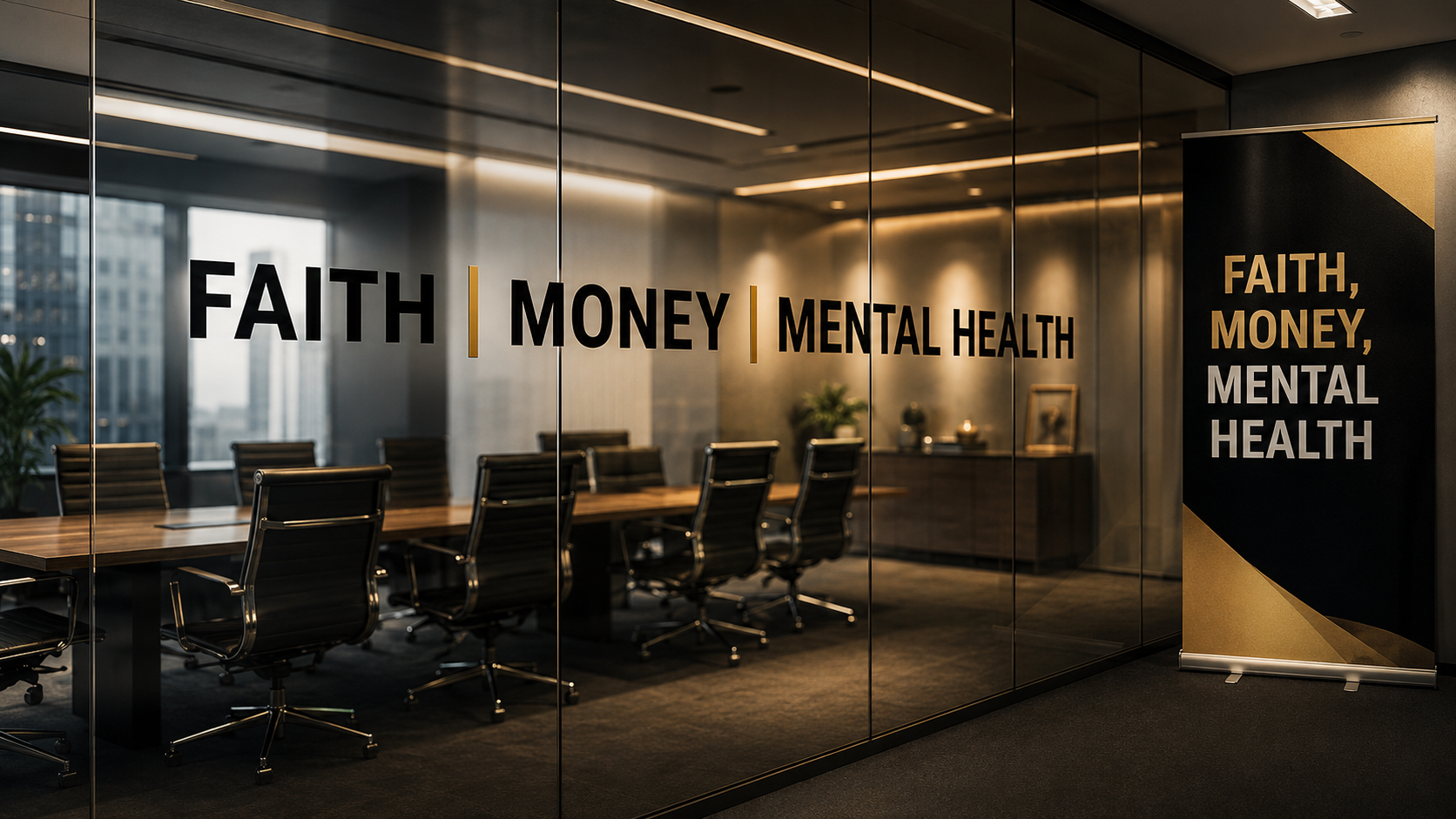
In the context of faith and money, the wealthy often view themselves as stewards of their resources. They look at what they have; not just money, but health, talent, and time—as tools to be invested for a greater purpose. The unwealthy often view money as a means to consumption. This shift from "What can I buy?" to "What can this grow into?" changes every financial decision you make and is a widely plain difference in results.
6. Resilience and Mental Health
Building wealth is rarely a straight line. It is a long game that requires significant mental fortitude. The wealthy have spent years developing the resilience to navigate market volatility, setbacks, and failure. They prioritize their mental health, knowing that a clear mind is necessary to make high-stakes, long-term decisions. They treat their well-being as an asset, not a luxury. They employ the services of advisors, consultants and Financial Representatives to execute a strategic plan, and it works.
5. The Mindset of Stewardship
In the context of faith and money, the wealthy often view themselves as stewards of their resources. They look at what they have; not just money, but health, talent, and time—as tools to be invested for a greater purpose. The unwealthy often view money as a means to consumption. This shift from "What can I buy?" to "What can this grow into?" changes every financial decision you make and is a widely plain difference in results.
6. Resilience and Mental Health
Building wealth is rarely a straight line. It is a long game that requires significant mental fortitude. The wealthy have spent years developing the resilience to navigate market volatility, setbacks, and failure. They prioritize their mental health, knowing that a clear mind is necessary to make high-stakes, long-term decisions. They treat their well-being as an asset, not a luxury. They employ the services of advisors, consultants and Financial Representatives to execute a strategic plan, and it works.
 In Conclusion
Wealth is not just about the destination; it is about the "doing" that happens over years. You need to start with a destination in order to plot out the plan. In other words.. you have to put in the address in order for GPS to take you where you want to go. Whether it is refining your strategies, educating your children, or managing your own financial portfolio, it is the consistency of your daily actions that determines where you will be in a decade. Keep in mind it is the mindset and habits that separate the Wealthy from the Unwealthy!
In Conclusion
Wealth is not just about the destination; it is about the "doing" that happens over years. You need to start with a destination in order to plot out the plan. In other words.. you have to put in the address in order for GPS to take you where you want to go. Whether it is refining your strategies, educating your children, or managing your own financial portfolio, it is the consistency of your daily actions that determines where you will be in a decade. Keep in mind it is the mindset and habits that separate the Wealthy from the Unwealthy!
2. Assets vs. Liabilities
True wealth is built by acquiring assets—things that put money in your pocket while you sleep. The wealthy focus their energy on building systems, investing in businesses, and securing insurance products that provide legacy and protection (putting their money to work). The unwealthy often spend their years accumulating liabilities—things that take money out of their pockets—focused on the appearance of success rather than the foundation of it. The Cars, the Jewelry etc. Immediate gratification. Most people really don't know the difference between an asset and a liability. I think we will cover that in another blog.
3. The Gold Standard: Generational Teaching
The most profound difference lies in the classroom of the home. The wealthy treat financial literacy as the "Gold Standard" of parenting. They don’t just accumulate wealth; they teach their children the habits of wealth. They instill an understanding of investment, stewardship, and delayed gratification from a young age, ensuring that the legacy of growth continues long after they are gone. They aren't just leaving money; they are leaving a blueprint. Conversely, the unwealthy teach their children "it's not about the money." "Money doesn't buy happiness". Though the latter statement can be true. The very conversation of this caliber leads to "No Conversation" about money except when times get hard and the conversation of lack surfaces.
4. Breaking the Taboo: Talking Money
Perhaps the greatest separator is the conversation itself. The wealthy speak openly about money; not out of vanity, but as a practical, strategic tool for growth, protection, and opportunity. They dissect deals, analyze trends, and seek wisdom. In contrast, the unwealthy are often conditioned to feel embarrassed or fearful when the topic arises. They treat money as a private burden, and limited resource rather than a public tool for progress. To build wealth, you must first be willing to talk about it without shame. So, it's the relationship with money that is the problem at it's core. When we look at the core of the issue, it’s all about the relationship with money. Too often, the focus is on complaining about what is lacking, while strategic growth is pushed to the sidelines. This reliance on outdated, scarcity-based ideologies only produces mediocre outcomes. The wealthy, however, think differently: they treat money as a strategic tool, embrace time-tested concepts that build lasting security, and operate from a position of abundance.
5. The Mindset of Stewardship
In the context of faith and money, the wealthy often view themselves as stewards of their resources. They look at what they have; not just money, but health, talent, and time—as tools to be invested for a greater purpose. The unwealthy often view money as a means to consumption. This shift from "What can I buy?" to "What can this grow into?" changes every financial decision you make and is a widely plain difference in results.
6. Resilience and Mental Health
Building wealth is rarely a straight line. It is a long game that requires significant mental fortitude. The wealthy have spent years developing the resilience to navigate market volatility, setbacks, and failure. They prioritize their mental health, knowing that a clear mind is necessary to make high-stakes, long-term decisions. They treat their well-being as an asset, not a luxury. They employ the services of advisors, consultants and Financial Representatives to execute a strategic plan, and it works.
In Conclusion
Wealth is not just about the destination; it is about the "doing" that happens over years. You need to start with a destination in order to plot out the plan. In other words.. you have to put in the address in order for GPS to take you where you want to go. Whether it is refining your strategies, educating your children, or managing your own financial portfolio, it is the consistency of your daily actions that determines where you will be in a decade. Keep in mind it is the mindset and habits that separate the Wealthy from the Unwealthy!Where do you want to go next?
Keep reading, ask a question, or come talk with us.
There is no one right way to start. Pick whatever makes the most sense for you today.